Communal Area Cleaning: Creating Safer, Fresher, and More Welcoming Shared Spaces
Communal area cleaning plays a vital role in keeping shared spaces clean, healthy, and pleasant for everyone who uses them. Whether it is a residential block, apartment complex, office building, school, retail property, or mixed-use development, the condition of communal spaces shapes first impressions and daily comfort. From hallways and stairwells to lobbies, lifts, reception zones, and shared kitchens, these spaces experience constant foot traffic and require regular attention to stay hygienic and presentable.
In today’s fast-paced world, communal area cleaning is more than a cosmetic task. It supports hygiene, helps reduce the spread of germs, improves safety, and protects the value of the property. Clean communal areas can also contribute to a more respectful environment, where residents, staff, visitors, and customers feel comfortable and at ease. When cleaning is consistent and carried out properly, shared areas become inviting spaces rather than neglected corners.
Property managers, landlords, facilities teams, and residents all benefit when communal cleaning is handled with care. The right approach balances routine tasks, specialist cleaning, and attention to detail. It also takes into account the unique needs of each building. In this article, we explore the importance of shared area maintenance, the benefits of professional cleaning, practical methods, and what makes a reliable cleaning routine effective for a wide range of properties.
What Is Communal Area Cleaning?

Communal area cleaning refers to the cleaning and maintenance of spaces that are shared by multiple people. These areas are not privately owned or used by just one person; instead, they are accessed by residents, tenants, staff, clients, or visitors. Because of this high usage, they collect dirt, dust, footprints, litter, and bacteria more quickly than private rooms.
Typical communal spaces include entrance halls, corridors, staircases, lifts, mail areas, shared bathrooms, laundry rooms, bin stores, car parks, and external walkways. In commercial settings, the term can also include meeting rooms, waiting areas, restrooms, and reception areas. Every location has its own cleaning needs, but all communal spaces share one thing in common: they must remain clean, safe, and tidy for many different users.
Effective communal area cleaning goes beyond simply sweeping a floor or emptying a bin. It involves a structured routine that may include dusting, vacuuming, mopping, sanitising high-touch points, polishing surfaces, removing cobwebs, and monitoring hygiene standards. It can also include seasonal deep cleaning, waste management, and reporting maintenance issues such as leaks, lighting problems, or damaged fittings. In other words, communal cleaning is both a hygiene service and a proactive part of building care.
Why Communal Area Cleaning Matters
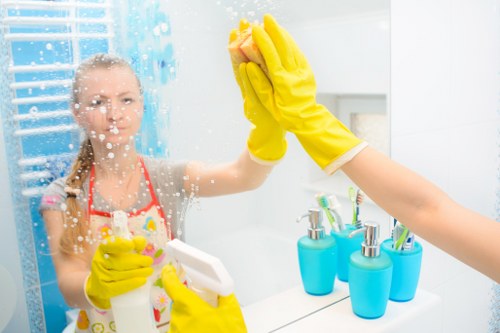
The importance of communal area cleaning is easy to understand once you consider how many people interact with shared spaces every day. A single entrance, lift button, or handrail can be touched dozens or even hundreds of times. Without regular cleaning, these surfaces can quickly become a source of grime and unwanted germs. Clean communal areas help reduce this risk while supporting a more professional and comfortable atmosphere.
There is also a strong visual benefit. A clean hallway, polished lobby, or tidy staircase sends a positive message about the building as a whole. It shows that the property is cared for and that the people responsible for it value the wellbeing of occupants and visitors. This can be especially important in residential complexes and office buildings, where shared spaces strongly influence the overall perception of the property.
Well-maintained communal areas can also reduce complaints and disputes. When rubbish, odors, or dirt are dealt with quickly, there is less chance of friction between residents, tenants, or building users. Clean spaces contribute to a calmer, more respectful environment, which is especially valuable in high-occupancy properties. For businesses, it can also support productivity and customer confidence. For landlords and managers, it helps preserve asset value over time.
Key Benefits of Professional Communal Area Cleaning

Hiring a professional service for communal area cleaning offers several practical advantages. While some minor tasks can be handled in-house, a trained team brings consistency, reliability, and specialist tools that can make a major difference. Professional cleaners know how to work efficiently across different surfaces and handle routine maintenance in a way that keeps shared areas looking their best.
One major benefit is improved hygiene. Professional teams use suitable cleaning products and methods for different environments, including disinfectants for high-touch points and safe solutions for sensitive surfaces. This helps lower the spread of bacteria and viruses, which is especially useful in apartments, office buildings, and healthcare-adjacent environments. Regular sanitisation of communal touchpoints is a key part of modern building hygiene.
Another benefit is time savings. Property managers and building staff already have many responsibilities, and communal cleaning can become a burden if it is not properly scheduled. Outsourcing the work allows internal teams to focus on repairs, tenant support, administration, and other property needs. It also provides predictable service standards, which means the quality of the cleaning is less likely to fluctuate from week to week.
Additional advantages include:
- Consistent appearance of shared spaces
- Reduction in unpleasant odors and visible dirt
- Better care for flooring, fixtures, and fittings
- Improved safety through spill removal and debris control
- Stronger first impressions for visitors and residents
Common Areas That Need Regular Attention

Every property is different, but there are certain areas that almost always require frequent cleaning. These shared spaces are the most heavily used and the most likely to show wear and grime. A thorough communal area cleaning schedule should identify the main zones and assign each one the right level of attention.
1. Entrances and lobbies
Entrances are the first point of contact for anyone entering the building. Dust, mud, rainwater, and litter often gather here, especially in poor weather. In addition to sweeping and mopping, entrance cleaning may include glass polishing, mat shaking, door handle sanitising, and reception desk cleaning. A clean entrance immediately improves the feel of the entire property.
2. Corridors and stairwells
Corridors and staircases are high-traffic routes that accumulate dust, footprints, and debris. These areas often require vacuuming, floor cleaning, skirting board dusting, and spot-cleaning of walls and handrails. Because stairwells can affect safety, keeping them clear and dry is especially important.
3. Lifts and lift lobbies
Lift interiors are compact but highly used, making them a priority for hygiene and appearance. Buttons, handrails, mirrors, and floor surfaces should be cleaned regularly. Lift lobbies also need attention because they tend to collect dirt tracked in from outside.
4. Shared bathrooms and washrooms
In commercial buildings and some residential properties, communal toilets and washrooms require strict cleaning standards. These areas need frequent sanitising, restocking of supplies, and odor control. A professional communal area cleaning routine should always treat washrooms as a priority zone.
Cleaning Methods That Deliver the Best Results
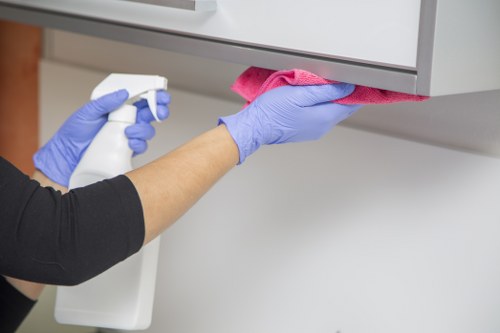
Successful communal area cleaning relies on the right combination of tools, products, timing, and procedures. The most effective methods are tailored to the space and the amount of traffic it receives. A small residential block may need a simple weekly routine, while a busy office building may require daily cleaning or even multiple visits per day.
Dusting and surface wiping are essential for removing dirt from ledges, light switches, mailboxes, and decorative features. Vacuuming helps collect dust and debris from carpets and mats, while mopping ensures hard floors remain clean and slip-resistant. For hygiene-sensitive areas, disinfecting touchpoints such as door handles, elevator buttons, and handrails is crucial. These tasks may seem routine, but they have a major impact on the overall cleanliness of a shared building.
Special care should be taken with flooring. Different surfaces require different treatment. Carpeted corridors may need regular vacuuming and periodic deep cleaning, while stone, tile, or vinyl floors often benefit from mopping, scrubbing, or polishing. Using the wrong product can damage surfaces or leave residue behind. That is why trained cleaners are so valuable: they know how to clean efficiently without causing unnecessary wear.
Some properties also benefit from periodic deep cleaning. This can include machine scrubbing, carpet shampooing, window cleaning, or pressure washing of outdoor communal areas. Deep cleaning reaches beyond daily upkeep and helps restore the building’s appearance. When combined with routine maintenance, it keeps shared spaces in excellent condition year-round.
How Often Should Communal Areas Be Cleaned?
The frequency of communal area cleaning depends on traffic levels, building type, and the expectations of occupants. A quiet residential building may only require a few visits per week, while a busy commercial site may need daily or even more frequent attention. The best schedule is one that reflects actual use rather than a one-size-fits-all approach.
High-touch surfaces and busy entrances usually need the most frequent cleaning. If dirt builds up quickly or complaints arise regularly, the schedule may need to be adjusted. Seasonal changes also matter. For example, wet weather brings in mud and water, while pollen season can create extra dust and debris. A flexible cleaning plan ensures the communal area remains clean throughout the year.
In many properties, it is helpful to combine daily, weekly, and monthly tasks. Daily tasks may include litter collection, sweeping, mopping, and sanitising touchpoints. Weekly tasks might include deeper dusting, cleaning glass, and checking supply levels. Monthly tasks can include deep cleaning, polishing, or report-based maintenance reviews. This layered approach helps maintain high standards without wasting resources.
What Makes a Good Communal Cleaning Schedule?
A good cleaning schedule should be clear, realistic, and detailed enough to cover every important space. It should identify what needs cleaning, how often it should be done, what products are required, and who is responsible. When schedules are vague, tasks are more likely to be missed. When they are well planned, communal area cleaning becomes much more dependable.
Useful elements of a strong schedule include:
- A full list of shared areas and fixtures
- Daily, weekly, and monthly task breakdowns
- Special instructions for sensitive surfaces
- Waste removal and recycling procedures
- Inspection points for quality control
It is also wise to review the schedule periodically. Buildings change over time, occupancy levels fluctuate, and new problems can emerge. A schedule that worked well last year may need updating now. For example, if residents begin using a communal storage room more often, that area may need to be added to the routine. Similarly, if a building hosts more visitors during business hours, the cleaning frequency may need to increase.
Health, Safety, and Hygiene Considerations
Health and safety are central to communal area cleaning. Shared spaces must be kept clean not only for appearance but also to reduce risk. Wet floors, cluttered hallways, overflowing bins, and untreated spills can all create hazards. A good cleaning routine helps prevent accidents by keeping routes clear and surfaces safe.
Hygiene is equally important. Communal touchpoints can collect microorganisms quickly, particularly in areas with heavy use. Regular sanitising of handles, buttons, switches, and handrails can make a meaningful difference. In washrooms and kitchenettes, soap dispensers, sinks, counters, and waste bins require special attention. Cleaner shared spaces support healthier daily living and working conditions.
Cleaning staff should also follow safe working practices. This includes using appropriate personal protective equipment when needed, following product instructions, storing chemicals correctly, and using warning signs during wet cleaning. Safety is not an optional extra; it is a fundamental part of effective communal area cleaning. A building may look spotless, but if the process is unsafe, the service is incomplete.
Communal Area Cleaning for Residential Buildings
In residential settings, communal area cleaning has a direct impact on quality of life. Residents pass through shared hallways, lobbies, and staircases every day, so these spaces must feel welcoming and well cared for. Clean communal areas can make a block of flats feel more like a home and less like a neglected structure.
Residential cleaning often focuses on practical tasks such as vacuuming stairs, wiping banisters, removing litter, cleaning entrance glass, and checking bin areas. Odor control is often important too, especially in buildings with shared waste spaces. Because residents may have different standards and expectations, consistency is essential. When the same areas are cleaned on a dependable schedule, trust improves and complaints are reduced.
Property managers may also find that regular communal cleaning helps preserve the building’s condition. Dirt and moisture can damage flooring, metal fixtures, and painted surfaces over time. By addressing these issues early, cleaning helps reduce long-term wear. That makes communal area cleaning a smart investment, not just a basic maintenance task.
Communal Area Cleaning for Offices and Commercial Properties
Commercial properties often require a slightly different approach. In offices, retail sites, and business centers, the aim is to create an environment that feels professional, efficient, and welcoming. Shared spaces such as receptions, break rooms, restrooms, corridors, and meeting spaces must stay presentable for employees, clients, and visitors.
In a commercial setting, communal area cleaning can influence brand image. A clean reception or polished lobby suggests attention to detail and professionalism. On the other hand, dirty floors or untidy washrooms can undermine confidence. For customer-facing businesses, that effect can be immediate. A clean environment tells people that the company values quality in everything it does.
Commercial schedules often require greater frequency because usage is higher. Some sites need early morning cleaning before staff arrive, with additional touchpoint cleaning during the day. In busy environments, it may also be useful to coordinate cleaning with security, reception, or facilities teams. This keeps disruptions low and ensures cleaning is completed efficiently.
How to Choose the Right Communal Cleaning Service
Choosing the right provider for communal area cleaning involves more than comparing prices. The best service is one that understands the property, communicates clearly, and delivers consistent quality. Experience matters, as does flexibility. A provider should be able to adapt to the specific needs of the building and maintain standards over time.
Look for a service that offers a clear cleaning plan, trained staff, and proper supervision. It should also be capable of handling both routine cleaning and occasional deep cleaning tasks. Good communication is important too, especially when reporting maintenance issues or adjusting schedules. The provider should act as a reliable partner in keeping the property clean and safe.
Questions to consider before choosing a service
- Does the provider understand the needs of your type of building?
- Are staff trained in hygiene, safety, and surface care?
- Can the service be scheduled around peak usage times?
- Does the company offer quality checks and reporting?
- Can the cleaning plan be adjusted as the property changes?
Eco-Friendly Approaches to Communal Area Cleaning
Many property owners and managers are now looking for greener cleaning solutions. Eco-friendly communal area cleaning focuses on reducing environmental impact while still achieving high standards of cleanliness. This can involve using low-toxicity products, reducing unnecessary water use, and choosing reusable or recyclable materials where possible.
Sustainable cleaning is beneficial in several ways. It can reduce harsh chemical exposure for building users and cleaning staff, support corporate sustainability goals, and lower the environmental footprint of the property. While eco-friendly products still need to be effective, many modern solutions are designed to balance performance with responsibility. The key is choosing products and methods that are both safe and efficient.
Good sustainability practice does not mean compromising on cleanliness. In fact, thoughtful cleaning routines often reduce waste by improving efficiency. For example, better scheduling can prevent unnecessary repeat cleaning, and microfiber tools can trap dust effectively while reducing product use. As more buildings focus on environmental responsibility, sustainable communal area cleaning is becoming an increasingly attractive option.
Common Problems Caused by Poor Communal Cleaning
When communal areas are not cleaned properly, problems build up quickly. Dust and dirt can become visible within days, and neglect can create stronger issues over time. One of the most common effects is a decline in appearance. Grimy walls, smudged glass, and stained floors can make even a well-maintained property seem uncared for.
Poor cleaning can also lead to odors, pest issues, and safety concerns. Overflowing rubbish may attract insects or rodents, while wet or dirty floors can increase slip risks. High-touch surfaces that are not sanitised regularly can contribute to poor hygiene. In some cases, residents or tenants may lose confidence in the management of the building if communal spaces remain neglected.
Another common issue is faster wear and tear. Dirt and debris act like abrasive materials on flooring and surfaces. Over time, this can shorten the lifespan of carpets, finishes, and fixtures. Regular communal area cleaning protects both appearance and property value. For that reason alone, it should never be treated as a low-priority task.
Best Practices for Maintaining High Standards
To maintain high standards, communal cleaning should be approached with structure and consistency. Clear expectations, regular inspections, and prompt responses to issues all help keep shared spaces in excellent condition. A good service does not simply clean once and leave; it keeps monitoring the building and adapts as needed.
Best practices include:
- Using a planned schedule rather than reactive cleaning only
- Focusing on high-touch and high-traffic areas first
- Reporting maintenance issues quickly
- Matching products to surfaces and hygiene needs
- Reviewing performance and updating routines regularly
It is also useful to involve building users where appropriate. Simple reminders about waste disposal, food spills, or keeping hallways clear can support the cleaning effort. While cleaning staff are responsible for the service, everyone benefits when communal spaces are treated with care. A clean environment works best when management and users both play a part.
The Long-Term Value of Communal Area Cleaning
Communal area cleaning delivers value that extends well beyond a polished look. It supports safety, hygiene, comfort, and the long-term condition of the property. For landlords, it helps attract and retain tenants. For businesses, it strengthens the professional image of the workplace. For residents, it improves everyday living conditions and helps create a better shared environment.
Over time, regular cleaning can reduce repair costs by protecting surfaces and identifying issues early. It also helps create a stronger sense of pride in the property. People are more likely to treat a clean space with respect. That can lead to fewer complaints, less littering, and a more positive atmosphere overall. In this sense, communal area cleaning is not just maintenance; it is part of property stewardship.
If you want your shared spaces to look better, feel safer, and stay cleaner for longer, the answer is simple: make communal area cleaning a priority. Whether you manage a residential block or a commercial building, a professional and consistent approach can transform the way people experience the space every day. Book your service now and keep your communal areas in the condition they deserve. Contact us today to take the next step toward cleaner shared spaces.