Rug Cleaning in Modern Homes: Practical Care, Deep Cleaning Methods, and Long-Lasting Results
Rug cleaning is one of the most overlooked parts of home care, yet it has a major impact on indoor comfort, cleanliness, and even the overall look of a room. Whether you own a delicate Persian piece, a thick wool area rug, or a busy hallway runner, regular rug cleaning helps preserve color, texture, and value. It also supports a healthier indoor environment by removing dust, allergens, pet dander, and hidden debris that settle deep into fibers over time.
If you have ever wondered why a rug looks dull even after vacuuming, the answer is usually embedded soil. Surface cleaning helps, but true rug cleaning goes further by lifting buildup from the base of the fibers. That is why many homeowners search for rug cleaning services when they notice stains, odors, or general wear. A proper cleaning routine can revive the appearance of your rug and extend its life significantly.
In this article, we will look at what makes rug cleaning important, how different rug materials respond to treatment, which methods work best, and how to maintain rugs between professional cleanings. You will also learn practical tips for protecting your investment and keeping your home fresh. Rug cleaning is not just about appearance; it is about care, comfort, and long-term value.
Why Rug Cleaning Matters for Every Home
Rugs do much more than decorate a room. They absorb foot traffic, catch dust, soften noise, and add warmth to living spaces. Because they are placed on the floor, rugs collect everything that falls from the air or gets tracked in from outside. Over time, this buildup affects both the look of the rug and the quality of the air in your home. Regular rug cleaning helps control these issues before they become harder to manage.
One major reason rug cleaning is important is hygiene. Many rugs contain trapped particles that are not visible on the surface. Dust mites, pollen, pet hair, crumbs, and bacteria can all settle inside the weave. If someone in the home has allergies or asthma, neglected rugs may contribute to irritation. Professional rug cleaning and consistent maintenance help reduce these hidden contaminants.
Another reason is preservation. Natural-fiber rugs, handmade rugs, and dyed rugs can lose quality if dirt is left in place too long. Grit acts like sandpaper, gradually wearing away fibers. With proper rug cleaning, you reduce abrasion, protect the pile, and keep the colors brighter for longer. That makes the investment in a quality rug far more worthwhile.
Common Problems Caused by Dirty Rugs
Dirty rugs do not just look unappealing. They can create a chain of problems that affect the room and the people living in it. Some of the most common issues include:
- Faded color from embedded soil and sun exposure
- Persistent odors from moisture, pets, or spills
- Flattened fibers caused by heavy traffic and neglect
- Allergen buildup that lowers indoor air quality
- Stains that become permanent when not treated quickly
These issues are why many households prioritize rug cleaning as part of regular home maintenance. A clean rug not only improves appearance but also supports a healthier, more inviting environment.
Understanding Different Rug Materials
Not all rugs should be cleaned the same way. The fiber type, weave, dye, and backing all affect how a rug responds to moisture, agitation, and cleaning solutions. Before starting rug cleaning, it helps to identify the material. This prevents damage and improves results. Knowing the rug’s construction is the first step toward safe cleaning.
Wool rugs are known for durability, softness, and natural stain resistance, but they still need careful handling. Too much heat or harsh chemicals can cause shrinkage or color bleeding. Synthetic rugs, such as nylon or polypropylene, are usually more forgiving and can handle more moisture, though they still benefit from proper rug cleaning techniques.
Silk rugs, antique rugs, and hand-knotted pieces require extra caution. These items may need specialized rug cleaning because their fibers are delicate and their dyes may be unstable. Jute, sisal, and other natural plant fibers can also be tricky since they do not tolerate excessive water well. The right method depends on the exact material, not just the level of dirt.
Material-Specific Cleaning Considerations
When dealing with different rug types, keep these factors in mind:
- Wool: Use gentle cleaning solutions and controlled drying.
- Synthetic fibers: Easier to maintain, but still need thorough extraction.
- Silk: Requires specialized rug cleaning and minimal agitation.
- Cotton: Can often be cleaned more easily but may fade or shrink if mishandled.
- Natural plant fibers: Spot-clean carefully and avoid oversaturation.
Choosing the right approach makes rug cleaning safer and more effective. A one-size-fits-all method can do more harm than good, especially with valuable or decorative rugs.
How Professional Rug Cleaning Works
Professional rug cleaning typically involves several stages designed to remove soil, stains, and odor without harming the rug. While the exact process may vary, the goal is always to restore cleanliness while preserving the rug’s structure and color. Many homeowners prefer professional care because it reaches deep into the fibers in ways that standard vacuuming cannot.
The process usually begins with inspection. A technician identifies fiber type, construction, discoloration, and any signs of wear. This step matters because the rug cleaning method must match the condition of the rug. For instance, a heavily soiled living room rug may need a different treatment than a delicate heirloom piece.
After inspection, the rug is typically dusted to remove dry particles. This is an important stage because dry soil can become mud if water is applied too early. Next comes pre-treatment for stains and high-traffic areas. Then the rug is washed using an appropriate method, rinsed thoroughly, and dried in a controlled environment. Careful drying is just as important as the washing stage in rug cleaning.
Typical Steps in a Rug Cleaning Service
- Inspection and fiber identification
- Dry soil removal or dusting
- Spot treatment for stains and odors
- Deep washing with fiber-safe solutions
- Rinsing and controlled water extraction
- Drying and final grooming
By following these steps, professional rug cleaning can restore freshness and appearance while minimizing risk. It is especially useful for larger rugs, older rugs, and pieces that have absorbed years of buildup.
Popular Rug Cleaning Methods and When They Work Best
There are several methods used in rug cleaning, and each one serves a different purpose. The right choice depends on the rug’s material, age, construction, and level of contamination. Understanding these methods helps you make better decisions, whether you are handling spot care at home or hiring a specialist.
Steam cleaning is often used for synthetic rugs because it can loosen dirt and remove allergens effectively. However, it is not suitable for every rug. Some delicate rugs can be damaged by excessive heat or moisture. Dry cleaning is another option, especially for rugs that cannot handle much water. This method uses cleaning compounds that help absorb dirt before it is removed.
Hand washing remains one of the most trusted rug cleaning methods for delicate, handmade, or valuable rugs. It allows for greater control over water use, agitation, and detergent application. Encapsulation and low-moisture cleaning may also be used in certain situations, particularly for maintenance between deep cleanings. The best rug cleaning method is the one that protects the rug while achieving a thorough result.
Method Comparison
- Steam cleaning: Effective for durable synthetic rugs and heavy soil.
- Dry cleaning: Useful for moisture-sensitive rugs.
- Hand washing: Best for delicate or valuable rugs.
- Low-moisture cleaning: Good for light maintenance and quick turnaround.
- Encapsulation: Helpful for surface-level upkeep in some settings.
Knowing these options makes rug cleaning less confusing and helps you avoid methods that could shorten the life of your rug.
Stain Removal in Rug Cleaning
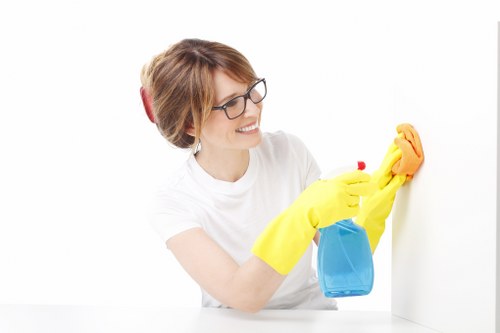
Stains are one of the most common reasons people seek rug cleaning. Spills from coffee, wine, juice, grease, mud, and pet accidents can leave behind visible marks and odors. The key to successful stain removal is quick action, but even older stains can often be improved with the right treatment.
When a spill happens, blotting is better than rubbing. Rubbing can spread the stain and push it deeper into the fibers. After blotting, a safe cleaning solution may be applied based on the stain type and rug material. This is where professional rug cleaning becomes especially valuable, since experienced technicians know how to treat specific stains without causing dye damage or fiber distortion.
Different stains require different strategies. Organic stains often need enzyme-based cleaners, while greasy stains may need a degreasing treatment. Dye-based stains like wine or juice are more difficult and may require specialized spot work. Pet urine is particularly challenging because it can seep into the backing and padding, causing lingering odors if not treated thoroughly. Successful rug cleaning often depends on treating the right problem with the right method.
Smart Stain-Removal Tips
- Act quickly to prevent permanent setting.
- Blot spills using a clean, dry towel.
- Avoid harsh scrubbing that damages fibers.
- Test any cleaning solution in a hidden area first.
- Use professional rug cleaning for large, old, or difficult stains.
Even if a stain seems impossible, prompt and careful rug cleaning can often improve the appearance considerably.
How Often Should Rug Cleaning Be Done?
The right rug cleaning schedule depends on several factors, including foot traffic, location, pets, children, and the type of rug. A living room rug in a busy household will need attention more often than a decorative rug in a low-traffic area. As a general rule, regular vacuuming should happen weekly, while deeper rug cleaning may be needed every 6 to 12 months.
High-traffic homes may benefit from more frequent maintenance. Homes with pets or allergy concerns may also need a shorter rug cleaning cycle. If the rug is light-colored, placed near an entryway, or used in a dining area, dirt and stains may build up faster. In those cases, waiting too long can make cleaning harder and less effective.
Seasonal changes can also influence rug cleaning needs. Winter often brings salt, slush, and mud. Spring can introduce pollen and moisture. Summer traffic may increase due to guests and outdoor activity, while fall can bring leaves and fine dust indoors. Adapting your rug cleaning routine to these changes helps preserve freshness year-round.
Signs Your Rug Needs Attention
- Visible dullness or loss of color
- Lingering odors after vacuuming
- Stiff or matted fibers
- Stains that keep reappearing
- Increased allergy symptoms near the rug
When these signs appear, it is usually time to schedule rug cleaning sooner rather than later. Waiting too long can lead to deeper wear and more difficult restoration.
DIY Rug Cleaning vs. Professional Service
Many homeowners wonder whether they can handle rug cleaning themselves. The answer depends on the rug, the type of dirt, and the result you expect. Simple maintenance, such as vacuuming and spot blotting, can absolutely be done at home. For larger stains, odors, or delicate materials, though, professional rug cleaning is usually the safer choice.
DIY rug cleaning can save money for basic upkeep, but it also carries risks. Using too much water can lead to mold, mildew, or backing damage. Strong detergents may leave residue that attracts more dirt later. Improper drying can cause odor problems or warping. That is why many people use home cleaning only for small issues and leave major rug cleaning to professionals.
Professional service provides specialized equipment, fiber-specific solutions, and controlled drying conditions. It is especially valuable for area rugs that are expensive, handmade, antique, or heavily soiled. In many cases, professional rug cleaning is the best way to protect both appearance and structure.
When DIY May Be Enough
- Light surface dust and debris
- Small, fresh spills
- Routine maintenance between deep cleans
- Durable synthetic rugs with minor spots
When Professional Rug Cleaning Is Better
- Persistent odors
- Large or old stains
- Delicate, antique, or handmade rugs
- Heavy soil and years of buildup
Choosing wisely can save time, money, and frustration while improving the final result.
Rug Cleaning Mistakes to Avoid
Even well-intentioned cleaning can go wrong if common mistakes are repeated. One of the biggest mistakes is waiting too long after a spill. The longer a stain sits, the harder it becomes to remove. Another issue is over-wetting, which can cause odors, color bleeding, and damage to the rug backing. Rug cleaning should be thorough, but not excessive.
Using the wrong product is another common problem. Some cleaners are too harsh for wool, silk, or natural-fiber rugs. Others leave sticky residue that attracts more dust. Scrubbing aggressively is also risky because it can fray fibers and distort the pile. Instead, a gentle approach is usually more effective for long-term rug cleaning results.
Drying is often overlooked. A rug that feels clean on the surface may still hold moisture deep inside. If it is not dried correctly, mildew may form and create a stubborn smell. That is why airflow, temperature control, and proper placement matter so much during rug cleaning.
Common Mistakes Checklist
- Rubbing stains instead of blotting them
- Using too much water
- Skipping fiber testing before treatment
- Ignoring the drying process
- Applying random household cleaners
Avoiding these errors makes rug cleaning safer and helps maintain the original quality of the textile.
Maintenance Tips to Keep Rugs Cleaner for Longer
Good rug cleaning does not stop after a deep wash. Ongoing maintenance helps the rug stay attractive between services and reduces how quickly soil builds up again. A few simple habits can make a noticeable difference in how long a rug looks and feels fresh.
Vacuuming is one of the most important habits. It removes loose dirt before it sinks deeper into the fibers. Rotating the rug can also help, especially if one area gets more foot traffic or sunlight than another. Using a rug pad protects the underside, improves airflow, and reduces slipping. These small actions support a stronger overall rug cleaning routine.
Spills should be handled immediately, and shoes should be removed when possible to reduce outdoor debris. If the rug is placed in a dining area or near an entryway, extra care may be needed. Preventive habits are one of the easiest ways to reduce the need for frequent intensive rug cleaning.
Simple Long-Term Care Habits
- Vacuum regularly, especially in high-traffic areas
- Rotate the rug every few months
- Use a rug pad to reduce wear
- Blot spills immediately
- Schedule routine deep rug cleaning
These habits help protect color, texture, and shape, making rug cleaning more effective whenever it is needed.
Choosing the Right Rug Cleaning Service
Not every cleaning provider has the same level of expertise. When choosing a service, look for one that understands rug materials, stain types, and safe drying methods. Experience matters, especially when the rug is valuable or delicate. A trustworthy provider should be able to explain their rug cleaning process clearly and recommend a method based on the rug itself.
It is also helpful to ask whether the cleaning is done on-site or off-site. Many quality rug cleaning services prefer off-site work because it allows for better control over dust removal, washing, rinsing, and drying. This often leads to better results, particularly for rugs with deep soil or odor issues.
Ask about inspection, pre-treatment, and final drying procedures. These details show whether the provider takes rug cleaning seriously or simply offers a surface-level wash. The best services are focused on preservation, not just appearance. Rug cleaning should restore freshness while respecting the rug’s original character.
What to Look For
- Knowledge of different fibers and dyes
- Clear process from inspection to drying
- Special treatment for stains and odors
- Safe handling of delicate or antique rugs
- Strong focus on preservation and cleanliness
Making the right choice can dramatically improve the outcome of your rug cleaning experience.
Final Thoughts on Rug Cleaning
Rug cleaning is one of the smartest ways to protect the beauty, comfort, and value of your home furnishings. Clean rugs improve appearance, reduce allergens, and help create a more pleasant living space. Whether you are caring for a simple synthetic runner or a handcrafted statement piece, the right rug cleaning approach can make a major difference.
By understanding your rug’s material, avoiding common mistakes, and maintaining a regular care routine, you can keep your rugs looking better for longer. Professional rug cleaning adds another layer of protection by reaching deep into fibers and restoring freshness that regular vacuuming cannot achieve. It is an investment in both style and hygiene.
If your rug looks dull, smells musty, or has been through one too many spills, now is the perfect time to take action. Book your service now and give your rugs the attention they deserve. Contact us today to keep your home cleaner, more comfortable, and better protected with expert rug cleaning.