Sofa Cleaning in Homes and Offices: Restore Comfort, Hygiene, and Style
Why Sofa Cleaning in Matters More Than You Think

Sofa cleaning in any home or workplace is often overlooked until visible stains, odors, or dust become impossible to ignore. Yet your sofa is one of the most-used pieces of furniture in any space. It collects crumbs, body oils, pet hair, allergens, bacteria, and everyday dirt far faster than many people realize. That is why regular sofa cleaning in living rooms, reception areas, apartments, and offices plays such an important role in maintaining a healthy and attractive environment.
A clean sofa does more than improve the look of a room. It can also make your space feel fresher, reduce allergic reactions, and extend the lifespan of your upholstery. Whether your sofa is made of fabric, microfiber, leather, or suede, proper sofa cleaning in routine care helps preserve texture, color, and comfort. In busy households and commercial settings, this becomes even more important because upholstery can quickly trap debris that ordinary vacuuming misses.
Professional sofa cleaning in services are often preferred because they address deep-set dirt and stains with specialized methods. However, even if you clean your sofa yourself, understanding the right techniques can save you time, money, and stress. The goal is not just to make the sofa look better for a day, but to keep it fresh, hygienic, and durable over the long term.
Understanding Different Upholstery Types

Before starting sofa cleaning in any setting, it is essential to identify the upholstery material. Different fabrics respond differently to moisture, heat, and cleaning products. Using the wrong method can cause discoloration, shrinking, water spots, or damage to delicate fibers. This is why sofa cleaning in a careful, material-specific way always works best.
Fabric sofas are among the most common and can range from cotton blends to synthetic microfiber. Fabric upholstery often absorbs spills quickly, so prompt action is important. Leather sofas need a different approach because they can dry out or crack if harsh chemicals are used. Suede and velvet are more delicate still, requiring gentle handling and minimal moisture. Knowing your material helps you choose the best sofa cleaning in method and avoid costly mistakes.
Many manufacturers include care labels with cleaning codes. These codes help determine whether the sofa can be cleaned with water-based solutions, solvent-based products, or professional-only methods. Reading the label is one of the smartest steps in sofa cleaning in maintenance because it prevents unnecessary damage and helps you work with confidence.
Common Cleaning Codes and What They Mean

Understanding upholstery codes makes sofa cleaning in much easier:
- W means water-based cleaners are safe to use.
- S means solvent-based cleaning only.
- WS means both water-based and solvent-based products may be suitable.
- X means vacuuming or professional cleaning only.
If you ignore these codes, you may leave behind water rings, fading, or texture damage. For that reason, the first rule of effective sofa cleaning in is to match the product to the fabric. When in doubt, testing a small hidden area is always wise before treating a larger visible section.
Many homeowners also assume that one cleaner works for everything. In reality, upholstery care depends on the exact material. A cleaner that works well on synthetic fabric may be too strong for natural fibers or leather. A careful approach keeps sofa cleaning in safe, efficient, and effective.
Benefits of Regular Sofa Cleaning in Daily Life
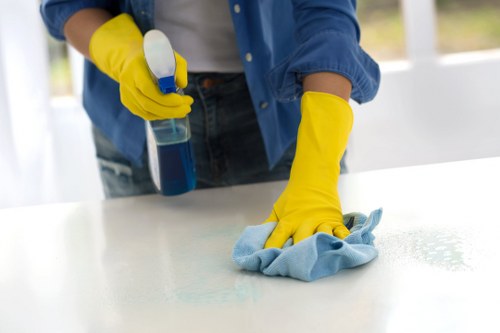
There are several reasons why sofa cleaning in should be part of a regular home or office maintenance plan. First, it improves indoor hygiene. Sofas can harbor dust mites, pollen, food particles, and pet dander, all of which may affect air quality. Regular cleaning helps reduce buildup and creates a healthier environment for family members, guests, employees, and clients.
Second, routine sofa cleaning in helps preserve the appearance of your furniture. A bright, fresh sofa instantly makes a room look more polished and inviting. Stains and dullness, by contrast, can make an otherwise attractive room feel neglected. Clean upholstery contributes significantly to the overall impression of your space.
Third, consistent care can extend the life of your sofa. Dirt particles are abrasive and can wear down fabric fibers over time. By removing dust and grime regularly, sofa cleaning in reduces friction and helps upholstery stay softer and stronger for longer. In other words, cleaning is not just about appearance—it is an investment in furniture longevity.
How Often Should You Schedule Sofa Cleaning in?
The right sofa cleaning in schedule depends on usage, household size, pets, children, and fabric type. In a typical home, vacuuming weekly and deep cleaning every 6 to 12 months is a reasonable starting point. If you have pets, smokers, or children, you may need more frequent care. Office seating and commercial furniture often require more frequent sofa cleaning in due to high traffic and daily use.
Homes with allergy sufferers may benefit from a stricter schedule because allergens accumulate quickly in upholstered furniture. In such cases, a combination of routine vacuuming, spot treatment, and periodic deep cleaning can make a noticeable difference. The same applies to rental properties or guest lounges, where sofa cleaning in helps maintain a clean and welcoming atmosphere for each new occupant.
Tip: If your sofa is exposed to spills, pet accidents, or heavy use, do not wait for visible buildup. Prompt sofa cleaning in usually prevents stains from settling deeply and becoming harder to remove later.
Signs Your Sofa Needs Immediate Attention

Sometimes it is obvious that sofa cleaning in is overdue. Other times, the signs are more subtle. Here are common indicators that your upholstery needs attention:
- Visible stains or dark patches.
- Lingering odors from pets, food, or smoke.
- Increased allergy symptoms indoors.
- Dust clouds when cushions are moved.
- Loss of fabric texture or a dull, lifeless appearance.
If you notice any of these signs, do not delay. Early sofa cleaning in often makes stain removal much simpler. The longer dirt remains embedded, the more difficult it becomes to restore the original look of the fabric.
It is also worth paying attention to hidden areas such as under cushions, along seams, and in the creases of the frame. These areas tend to trap crumbs and debris, and they can quickly affect the freshness of the entire sofa. A thorough sofa cleaning in routine should include these often-forgotten spots.
DIY Sofa Cleaning in: Practical Steps for Homeowners
Many people prefer to handle basic sofa cleaning in themselves, especially for everyday dust and minor spills. The key is to work carefully and use the right sequence. Start by removing cushions if possible and vacuuming the entire surface using an upholstery attachment. This clears loose debris and makes the rest of the cleaning process more effective.
Next, inspect for stains and treat them individually. Blot spills gently with a clean cloth rather than rubbing, which can push the stain deeper into the fibers. For water-safe upholstery, a mild soap solution or an upholstery cleaner may be appropriate. Always apply product sparingly and test in a hidden area first. Good sofa cleaning in practices focus on controlled moisture, not soaking the fabric.
After spot treatment, allow the sofa to air dry fully. Open windows, use fans, or improve airflow to speed drying. A damp sofa can develop mildew or musty odors, so drying is an essential part of sofa cleaning in success. Patience here prevents bigger problems later.
Basic Supplies for Home Sofa Cleaning in
For safe and effective sofa cleaning in at home, keep these items on hand:
- Vacuum with upholstery attachment
- Soft-bristle brush
- Microfiber cloths
- White vinegar or mild upholstery cleaner
- Baking soda for deodorizing
- Spray bottle with clean water
- Dry towels for blotting
Using the correct tools can make sofa cleaning in easier and more successful. Avoid harsh scrubbing pads, strong bleach, or overly wet cloths because these can damage upholstery. If you are unsure about a product, use the least aggressive option first.
Consistency matters more than intensity. Small, regular sofa cleaning in efforts usually produce better results than aggressive cleaning done only once a year.
Deep Sofa Cleaning in: When Surface Cleaning Is Not Enough
Surface cleaning helps with dust and light spills, but deep sofa cleaning in is needed when dirt has settled into the lower layers of the upholstery. Over time, body oils, allergens, and liquid residue can migrate beneath the surface, creating stains and odors that basic cleaning cannot remove. That is where more advanced methods become valuable.
Professional deep sofa cleaning in often uses steam extraction, low-moisture techniques, dry cleaning systems, or specialized stain treatments depending on the material. These methods are designed to reach deeper into the fabric while minimizing damage. They can be especially useful for older sofas, heavily used family furniture, or commercial seating that sees constant traffic.
Deep cleaning can also revive tired-looking upholstery. Even if a sofa does not have obvious stains, deep sofa cleaning in may restore color vibrancy, soften fabric, and remove hidden buildup. The difference is often noticeable immediately, especially on light-colored furniture.
What Professionals Typically Do
Professional sofa cleaning in usually includes the following steps:
- Initial inspection of fabric type and condition.
- Vacuuming to remove loose debris.
- Spot treatment for stains and marks.
- Selected cleaning method based on upholstery code.
- Odor neutralization and drying support.
This structured approach helps reduce risk and improve results. Professionals know how much moisture different fabrics can tolerate and which products work best for specific problems. That expertise can be invaluable when a sofa has stubborn stains or delicate upholstery.
For many households and businesses, professional sofa cleaning in is the safest way to protect valuable furniture while achieving a noticeably cleaner finish.
Stain Removal Tips for Common Sofa Problems
Stains are one of the biggest reasons people seek sofa cleaning in services. The key is to act quickly and choose the right method for the type of spill. Food stains, drink spills, pet accidents, ink marks, and grease spots all respond differently. Treating them correctly improves your chances of success.
For liquid spills, blot immediately with a dry cloth to absorb as much as possible. For oily stains, use an absorbent powder such as baking soda or cornstarch before applying any cleaner. For pet accidents, it is important to clean both the visible stain and the odor source to prevent repeat marking. Effective sofa cleaning in means addressing both appearance and smell.
If a stain is older and has set in, avoid aggressive scrubbing. Instead, use repeated gentle treatment or seek professional help. The more you rub, the more likely the stain will spread or damage the fabric. A patient and methodical approach is usually better for successful sofa cleaning in.
Handling Tough Stains Safely
Tough stains require a bit more strategy. Coffee, wine, ketchup, and ink can be especially stubborn. In many cases, combining blotting, mild cleaning solution, and controlled drying works better than using a single strong product. If your sofa has a delicate finish, trust a specialist rather than risking permanent damage.
Never saturate the upholstery. Excess moisture can seep into cushions and padding, creating mold, odor, and long drying times. Safe sofa cleaning in always balances cleaning power with fabric protection.
Odor Removal and Freshness Maintenance
Even when a sofa looks clean, it may still hold unpleasant smells from pets, food, smoke, or dampness. Odor control is a major part of sofa cleaning in because freshness affects the comfort of the whole room. A sofa can begin to smell stale if dust and moisture remain trapped in the fibers.
One simple method for maintaining freshness is to vacuum regularly and sprinkle a light layer of baking soda on fabric upholstery before vacuuming it away after a short period. This can help neutralize mild odors. For stronger smells, more thorough sofa cleaning in may be required, especially if the odor has soaked into cushion foam or backing materials.
Ventilation also plays a big role. Open windows when possible, keep the room dry, and avoid leaving wet items on the sofa. A fresh environment supports better sofa cleaning in results and keeps the furniture more pleasant to use every day.
Preventive Care Between Deep Cleans
Good maintenance reduces the need for emergency sofa cleaning in. Consider these preventive habits:
- Vacuum upholstery weekly.
- Rotate cushions to distribute wear.
- Use throws or covers in high-use areas.
- Keep food and drinks away from the sofa when possible.
- Clean spills immediately.
These small habits make a huge difference over time. They help reduce buildup, minimize stains, and keep your sofa in good condition for longer. In busy homes, preventive care is often the difference between simple maintenance and major sofa cleaning in challenges.
Prevention is always easier than restoration. A few minutes of weekly care can save hours of deep sofa cleaning in later.
Why Professional Sofa Cleaning in Is Worth Considering
While DIY methods are useful for routine upkeep, there are many situations where professional sofa cleaning in is the smarter option. If your upholstery is delicate, expensive, heavily stained, or has not been cleaned in years, trained technicians can provide safer and more effective treatment. They bring the right equipment, expertise, and products to handle challenging jobs.
Professional cleaning also saves time. Instead of guessing at the right products or techniques, you benefit from a process designed to restore the sofa efficiently. This is especially helpful in homes with children, pets, or allergy concerns, where deep sofa cleaning in can improve both comfort and hygiene.
Another advantage is consistency. A professional can treat the entire sofa evenly, reducing the chance of patchy results, water marks, or missed areas. For businesses, this consistency supports a neat and welcoming appearance. In that sense, regular professional sofa cleaning in can be a practical part of asset maintenance.
How to Choose a Sofa Cleaning Service
When selecting a service for sofa cleaning in, look for these qualities:
- Experience with different upholstery materials.
- Clear explanation of cleaning methods.
- Use of fabric-safe products.
- Attention to stains, odors, and drying.
- Positive reputation for reliable results.
A trustworthy provider should assess the sofa before starting and explain what method is best for the material. If a company promises instant perfection without inspecting the upholstery, that is usually a warning sign. Responsible sofa cleaning in begins with proper evaluation.
Ask about drying times, product safety, and whether the method is suitable for pets or sensitive fabrics. These details help you make a better choice and protect your furniture investment.
Long-Term Sofa Maintenance for Better Results
To get the most from sofa cleaning in, pair it with smart long-term care. Position sofas away from direct sunlight when possible to reduce fading. Avoid placing them too close to heat sources that can dry out materials. If your sofa is leather, condition it periodically to keep the surface supple and less prone to cracks.
For fabric sofas, consider using fabric protectors if appropriate for the material. These products can help repel spills and make future sofa cleaning in easier. However, they should only be used according to manufacturer instructions and after confirming they are suitable for the upholstery type.
Keeping a regular maintenance calendar is also useful. A simple schedule for vacuuming, spot cleaning, cushion rotation, and occasional professional sofa cleaning in can help your furniture stay attractive and comfortable year after year.
Practical Maintenance Checklist
Use this quick checklist to support ongoing sofa cleaning in:
- Vacuum every week.
- Wipe spills immediately.
- Deodorize lightly when needed.
- Inspect seams and cushions monthly.
- Schedule deep cleaning periodically.
Book your service now if your sofa is showing heavy buildup, persistent odors, or stains that simple cleaning cannot remove. Timely sofa cleaning in keeps your furniture looking its best and helps your space feel more comfortable.
Final Thoughts on Sofa Cleaning in
Sofa cleaning in is not just a cosmetic task. It is an important part of maintaining cleanliness, comfort, and furniture quality in any home or office. From regular vacuuming and stain control to professional deep cleaning, every step contributes to a healthier and more inviting space. When upholstery is cared for properly, it lasts longer, smells fresher, and looks significantly better.
Whether you are dealing with routine dust, a stubborn spill, or the need for a full refresh, the right sofa cleaning in approach makes a noticeable difference. By choosing methods that match your upholstery type and acting quickly when problems appear, you can protect your furniture and enjoy a cleaner environment every day.
Contact us today to take the next step toward fresher, cleaner upholstery and a more polished interior. With the right sofa cleaning in plan, your sofa can remain a comfortable centerpiece of your space for years to come.